


On Thursday, October 22, I journeyed to a theater to see You Can See Everything. There are many articles about the film already, some of them1 well worth reading. I don’t know that anyone needs my own thoughts on it, but I provide them as a possible nudge over the finish line for anyone still wavering on whether to see this movie.
YCSE is a metatextual2 ouroboros that twists in on itself in torturous but fascinating ways. The movie isn’t only about what you think it’s about; or, rather, it needs to come to be about what-it’s-about in order to be “about” that at all.
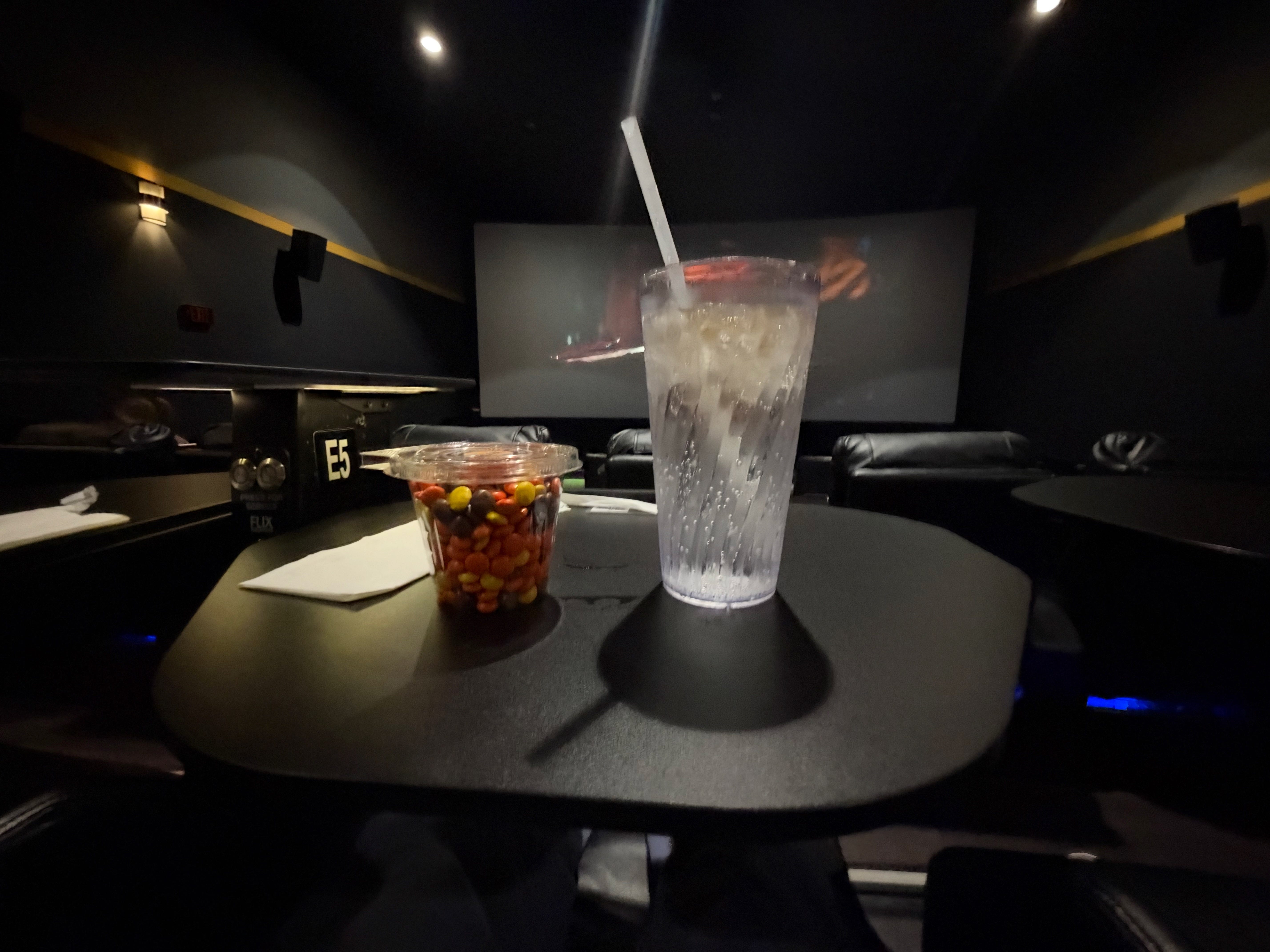
It’s a gorgeous film. The cinematography is a pleasure to behold (the movie is worth seeing just for its lighting), and largely consists of extreme facial close-ups that allow you to see every muscle twitch of an expression. (You really can see everything!) For as small as the scope of the movie is in its plot and locations, I do think it should be seen on a theater screen for the full effect.
The soundtrack is much better than I expected – it’s only a documentary, right? – suits the film thoroughly, and strongly invokes psychological thrillers – the correct genre here!
There’s a scene that made me consider whether an iPhone could be nominated for Best Supporting Actor.
You’ll be left wondering who the real villain of the story is, and in some ways that becomes the most important question the movie raises.
I was fortunate to experience YCSE with an audience that were keenly interested in the film. We all laughed together, got angry together, and there may even have been a collective gasp or two. As Andrew Sharp says, “The theater experience is important for this one.”
In short: You Can See Everything is insidiously compelling and worth seeing before spoilers become impossible to avoid.
The second half of the article includes spoilers, but you will be well warned before you see any. YCSE is a movie you should watch starting from a place of as much ignorance as possible.
I beg your pardon for the ten-dollar word. It’s just too perfectly apt here.